
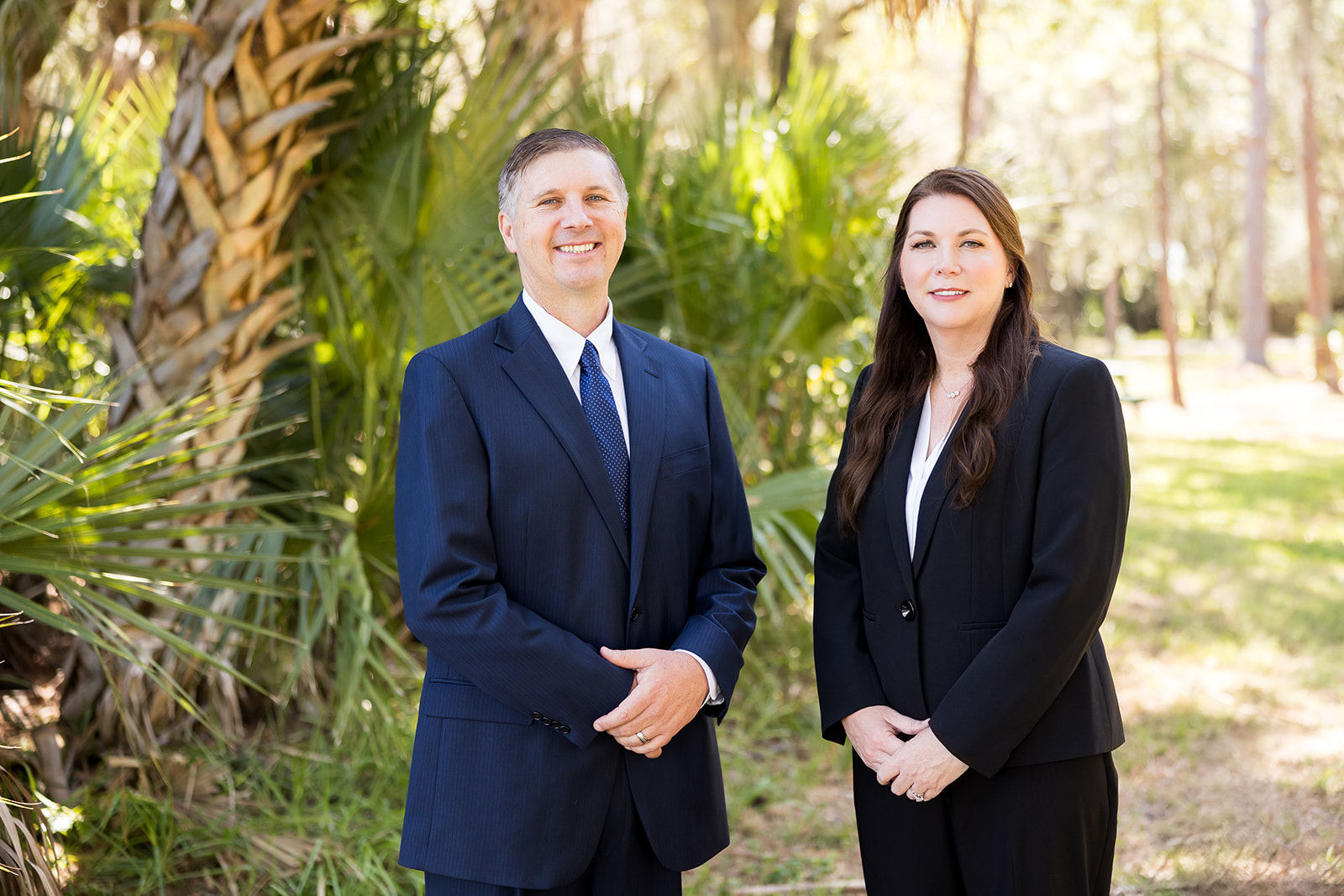
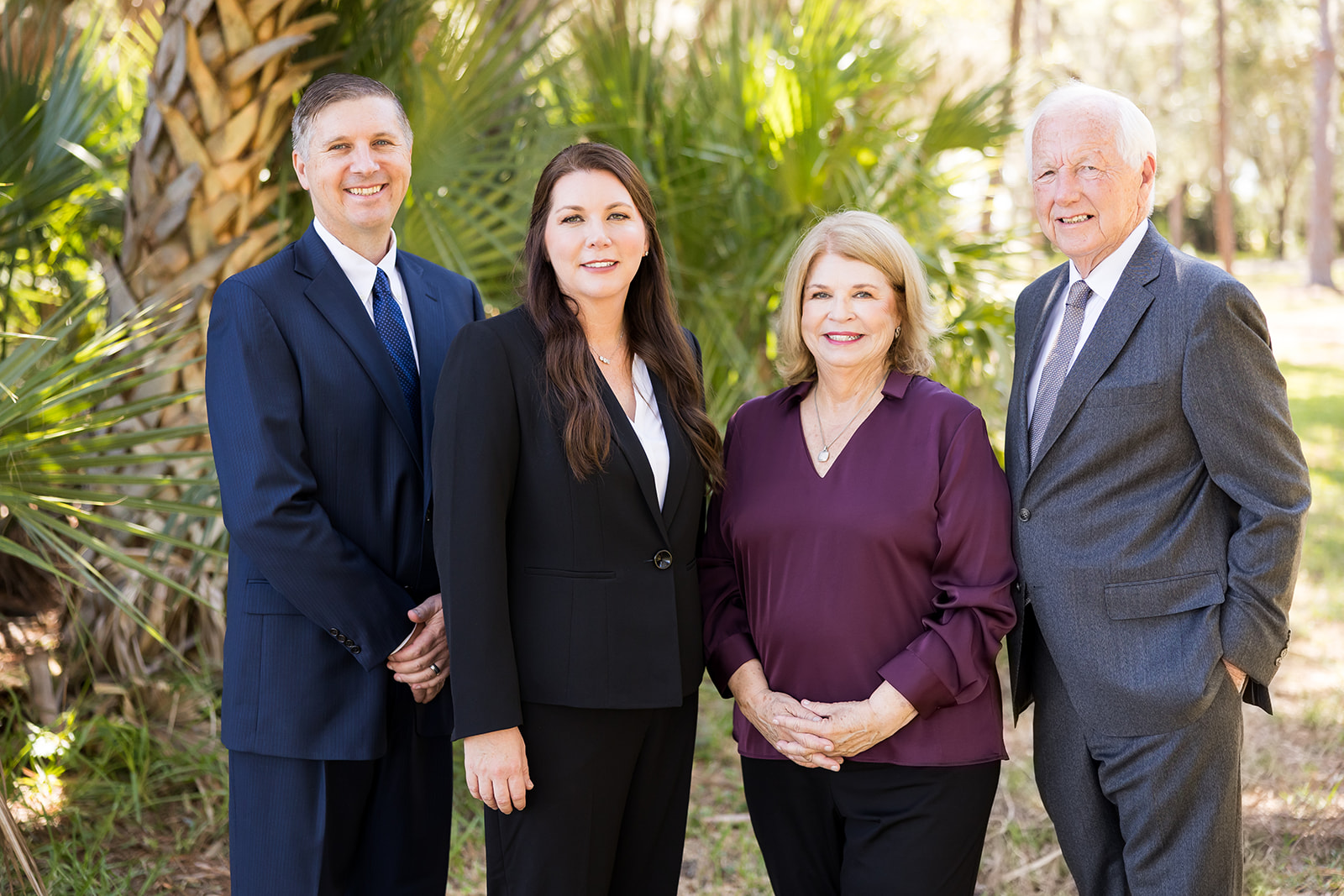
Experienced Elder Law Attorneys
At Rooth & Rooth Elder Law Attorneys, we help our clients with every aspect of elder law, estate planning, and trust administration. With over 50 years of combined experience in elder law, our attorneys have efficiently obtained legal solutions to even the most complex issues in a cost-effective manner. We give all clients the one-on-one attention they deserve, helping to navigate any struggles that arise. Whether you are of retirement age and looking to get your estate in order, the child of an aging parent in need of guidance, or a younger person just starting a career or family, Rooth & Rooth Elder Law Attorneys can assist.
Our Services
Everyone should have a Last Will and Testament and Advanced Directives, including a living will, health care surrogate, and durable power of attorney. We can help. If you’re a property owner, particularly if you own real estate outside of the state of Florida, you may want to consider establishing a trust; we can help with that, too. If your loved one is in need of long-term care requiring assisted living or a skilled nursing home, we can also help you get important facts on Medicaid and VA Benefits. No matter your need, we are here to help.
We offer a full range of services related to elder law, including:
- Last Will and Testaments
- Trusts, including Special Needs Trusts/Supplemental Needs Trusts
- Advanced Directives
- Living Wills
- Durable Powers of Attorney
- Designation of Health Care Surrogates
- Medicaid planning and applications
- Medicaid for home care or assisted living
- Medicaid for skilled nursing home care
- Life Care Planning
- Real estate management in relation to estate planning
- Probate and Estate Administration
- Trust Administration
Our Affiliations
We are affiliated with numerous local and national legal associations, including the Florida Bar Association, National Association of Elder Law Attorneys, Association of Florida Elder Law Attorneys, Elder Law Section of the Florida Bar, and Probate and Trust Law Section. We are also affiliated with the Seminole Chamber of Commerce, Suncoast Hospice Professional Partners General Council, Suncoast Hospice Professional Partners Executive Council, Catholic Foundation, Better Living for Seniors, and Area Agency on Aging. Our family has a long history of being the area’s trusted elder law attorneys. We are here to assist in the development of a comprehensive plan tailored specifically to your needs and objectives, and we look forward to working with you to secure a bright and confident future for you and your loved ones.
Practice Areas

Our experienced attorneys can properly draft your legal documents and answer your estate planning questions. more

If your loved one’s health has turned or they required more care, we can assist with long-term care planning. more

Probate & Trust Administration
If your loved one has passed away and you have questions about what legal actions are needed, call our experienced probate attorneys today. more
Contact Us Today
Rooth & Rooth Elder Law Attorneys is located in Seminole, FL and we serve clients in Clearwater, St. Petersburg, Largo, Pinellas Park, and the surrounding areas. We are located at:
7600 Seminole, Blvd., Ste. 102
Seminole, FL 33772
Our hours of operation are:
Monday–Friday: 9 a.m.–5 p.m.
Saturday–Sunday: Closed
Whether you are of retirement age or just getting started, contact us at (727) 397-4768 to discuss how Rooth & Rooth Elder Law Attorneys can serve you.


Testimonials
You are very special and we thank you so much for all your help. Husband is now in rehab and doing well…

JP Client
Thank you for your help in my time of need.
JS Client
Thank you so much for everything! Your personal attention throughout this process has been greatly appreciated.
BK Client
Thank you for all your help with this ongoing care issue. You have done a remarkable precise and organized plan for her. You have shown exceptional kindness and we appreciate all your time and efforts
DG & RGClients
What you were able to accomplish in an amazing short period of time was miraculous! After solving initial legal issues you continued to provide me with valuable guidance and advice. I sing your praises to everyone!
SH Client
Affiliations